Anatomy
02 Jan 2006
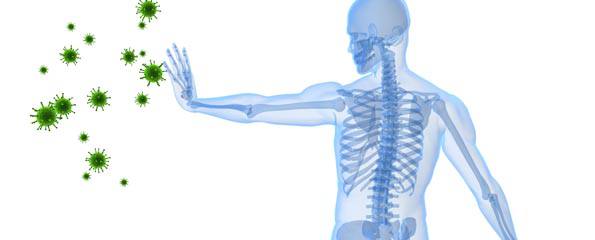
Allergy and the immune system
Allergy is an exaggerated immune reaction to a usually harmless substance like pollen. Uncontrolled inflammatory and other allergic responses damage cells.
Bowel
02 Jan 2006
Preventing Allergies
A lot of research over recent years has focused on the prevention of the development of allergies in children as the number of people with…

Children's health
29 Dec 2005
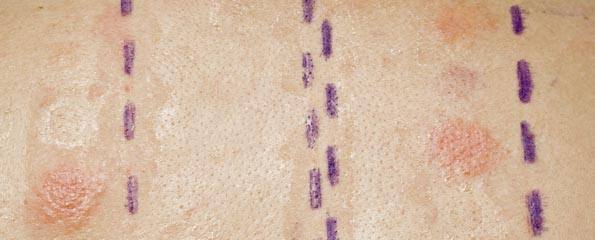
Skin prick tests
Skin prick tests are used to diagnose allergies. Allergens are placed on the skin, which is then pricked to see if an allergic reaction occurs.

Anatomy
28 Dec 2005
What is cancer?
Anatomical information about cancer, abnormal cell growth and division caused by genetics and carcinogens, and cancer tumour classification or staging.

Children's health
23 Dec 2005
Allergic disease: The basics
Allergic diseases include asthma, hay fever, eczema and hypersensitivity reactions. They occur when the immune system reacts against harmless substances.

Children's health
22 Dec 2005
Neuropathic pain (nerve pain)
Neuropathic pain does not help protect from injury like physiological pain, but is instead caused by an injury to or dysfunction of the nervous system.
Anatomy
22 Dec 2005
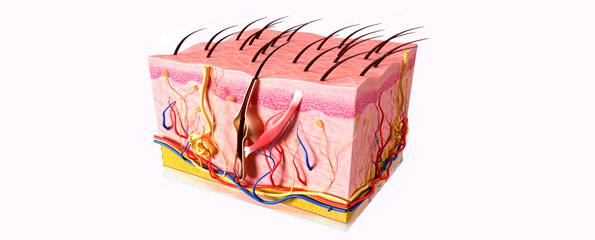
Skin (epidermis) anatomy
The skin or epidermis is the largest organ in the body. Layers of epidermis (skin) regulate temperature and sensation and create a protective barrier.

Bone
20 Dec 2005
Muscular dystrophy
Muscular dystrophies are a group of hereditary muscle diseases which cause progressive skeletal muscle weakness and symptoms like difficult walking.
Bone
19 Dec 2005
Spina bifida
Spina bifida is a birth defect which is usually obvious in affected newborns. It occurs due to abnormal development of the neural tube in pregnancy.