You searched for
We found 9 articles






Toxoplasmosis
Toxoplasmosis is an acute infection with Toxoplasma gondii. It can have serious health risks for pregnant women or people with suppressed immune function.
11 Oct 2006
Acquired immune system (B cells and T cells)
The acquired immune system's lymphocytes (T cells and B cells) attack antigens like bacteria and viruses, and create antibodies that prevent re-infection.
31 Jul 2006
Human immune system
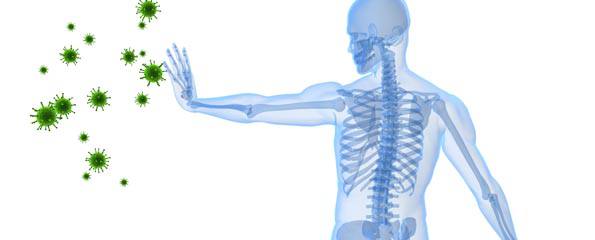
The immune system has two parts: the acquired system (lymphocytes and antibodies that attack diseases), and the innate system (skin and other barriers).
25 Jul 2006
Chlamydia (C. trachomatis, C. pneumoniae, C. psittacci, C. pecorum)
Chlamydia is a bacterial infection. Genital chlamydia is the most common STI in Australia, but the eyes or lungs can also be infected by Chlamydia.
09 Mar 2006
Breast cancer: Male breast carcinoma
Breast cancer in males is similar to that in females, however it is less common and there are differences in risk factors and treatments.
06 Mar 2006
Prostate cancer: Adenocarcinoma
Adenocarcinoma is the most common type of prostate cancer. It arises in glandular cells of the prostate and usually affects men >60 years.
21 Feb 2006
Influenza (flu)
The flu is a highly contagious respiratory infection caused by influenza virus. Influenza outbreaks are common, particularly during winter months.
21 Feb 2006
Prostate cancer: Neuroendocrine carcinoma
Neuroendocrine carcinoma of the prostate is a rare form of cancer which affects the hormone-producing cells of the prostate.
21 Feb 2006
Testicular cancer: Seminoma of the testicle
Seminoma of the testicle is a type of testicular cancer which is usually confined to the testes. It typically affects 30-34-year-old men.
21 Feb 2006