Anatomy
02 Jan 2006
Allergy and the immune system
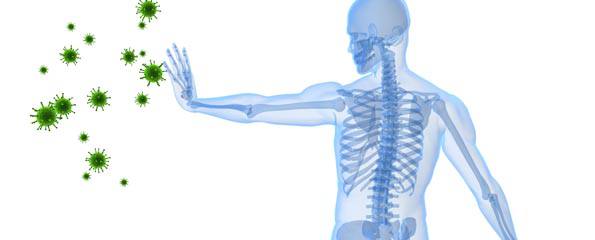
Allergy is an exaggerated immune reaction to a usually harmless substance like pollen. Uncontrolled inflammatory and other allergic responses damage cells.

Children's health
29 Dec 2005
Skin prick tests
Skin prick tests are used to diagnose allergies. Allergens are placed on the skin, which is then pricked to see if an allergic reaction occurs.

Anatomy
28 Dec 2005
What is cancer?
Anatomical information about cancer, abnormal cell growth and division caused by genetics and carcinogens, and cancer tumour classification or staging.

Children's health
23 Dec 2005
Allergic disease: The basics
Allergic diseases include asthma, hay fever, eczema and hypersensitivity reactions. They occur when the immune system reacts against harmless substances.

Diseases
10 Dec 2005
Idiopathic interstitial pneumonia
Idiopathic interstitial pneumonia refers to a group of diseases pertaining to problems within the lung space, including pneumonitis and bronchiolitis.

Cancer
03 Oct 2005
Cachexia
Cachexia refers to rapid wasting of muscles and tissues which cannot be explained by under-nutrition alone. It is a common complication of cancer and AIDS.
Bone
03 Oct 2005
3D Magnetic Resonance Imaging (3D MRI)
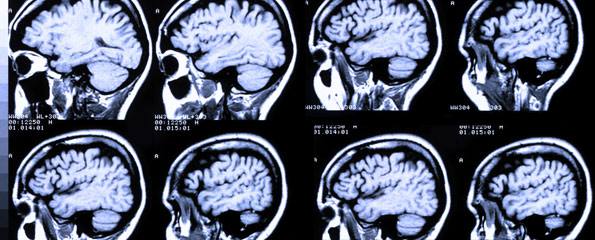
MRI scans can produce 3-dimensional images of internal body structures to diagnose nerve, heart, bone and blood vessel conditions.

Blood
30 Aug 2005
Full blood count (FBC; full blood test; complete blood count; CBC)
A full blood count (FBC) is a very common procedure and often the starting point for medical investigations. FBCs test for blood disorders or abnormalities, and…
Blood
30 Aug 2005
Full Physical Examination (A Check-Up)
A physical examination or health check up is performed by a doctor who looks, feel and listens to detect early signs of disease.