You searched for
We found 9 articles
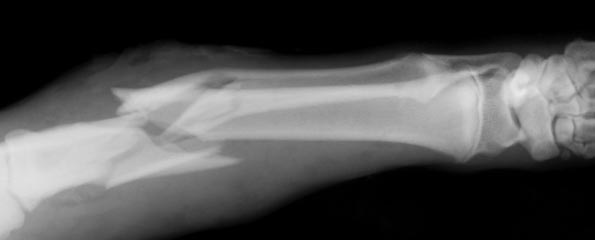








Osteogenesis imperfecta (brittle bone disease)
Brittle bone disorder or osteogenesis imperfecta is actually a connective tissue disorder, resulting from the defective synthesis of type 1 collagen.
14 Dec 2003
Renal tubular acidosis (RTA)
Renal tubular acidosis occurs when the kidneys are unable to excrete acids into the urine properly, causing higher acid levels in the blood.
13 Dec 2003
Addison’s disease
Addison's disease of the adrenal glands impairs glucocorticoid, mineralocorticoid and sex steroid production, causing muscle weakness and other symptoms.
09 Dec 2003
Churg-Strauss syndrome (CSS; allergic granulomatous angiitis)
Churg-Strauss syndrome, or allergic granulomatous angiitis, is an allergy condition often associated with allergic rhinitis (hay fever) or asthma.
01 Dec 2003
Thoracic back pain (upper back pain)
Thoracic or upper back pain is common. It is typically caused by poor posture or heavy lifting, which strains muscles, ligaments or the thoracic spine.
09 Nov 2003
Peripheral neuropathies
Peripheral neuropathies are a group of disorders affecting the peripheral nervous system, or nerves outside the brain and central nervous system.
01 Nov 2003
Colonic polyps and hereditary polyposis syndromes
Colonic polyps are elevations in the lining of the colon, some of which may cause colon cancer. They are diagnosed by colonoscopy.
31 Oct 2003
Nephrocalcinosis
Nephrocalcinosis refers to deposition of calcium salts in the kidneys. Renal impairment progresses slowly, sometimes causing renal failure.
31 Oct 2003
Systemic scleroderma (systemic sclerosis)
Systemic sclerosis is a condition characterised by excessive thickening of skin due to connective tissue accumulation. It is usually localised.
31 Oct 2003