You searched for
We found 9 articles



Allergic disease: The basics
Allergic diseases include asthma, hay fever, eczema and hypersensitivity reactions. They occur when the immune system reacts against harmless substances.
23 Dec 2005
Carcinoid tumour and carcinoid syndrome
Carcinoid tumour occurs in the hormone-producing cells of the gastrointestinal organs. It produces a set of symptoms referred to as carcinoid syndrome.
22 Dec 2005
Skin (epidermis) anatomy
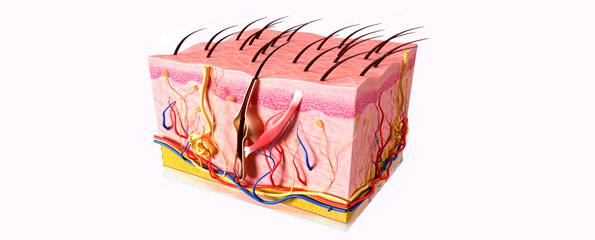
The skin or epidermis is the largest organ in the body. Layers of epidermis (skin) regulate temperature and sensation and create a protective barrier.
22 Dec 2005
Spina bifida
Spina bifida is a birth defect which is usually obvious in affected newborns. It occurs due to abnormal development of the neural tube in pregnancy.
19 Dec 2005
Food allergy
Food allergies are common in children and adults. Peanuts, milk and dairy products, eggs, meat and fish are the most common food allergens.
15 Dec 2005
Epileptic seizures (epileptic fits; status epilepticus)
Epileptic seizures cause a jerking and shaking movement and loss of consciousness which usually stops spontaneously. They affect blood flow to the brain.
27 Oct 2005
Lennox-Gastaut syndrome (LGS; childhood epilepsy)
Lennox-Gastaut syndrome is a rare type of childhood epilepsy which impairs child development but usually resolves by 8 years of age.
26 Oct 2005
Hypersensitivity reaction type IV
Hypersensitivity reaction type IV is an allergic reaction (e.g. contact dermatitis) that occurs due to overactivity of immune cells called T lymphocytes.
12 Oct 2005
Hypersensitivity reaction type II
Hypersensitivity reaction type II is also called cytotoxic reaction or antibody-dependent hypersensitivity reaction. This is its defining feature.
12 Oct 2005