You searched for
We found 9 articles
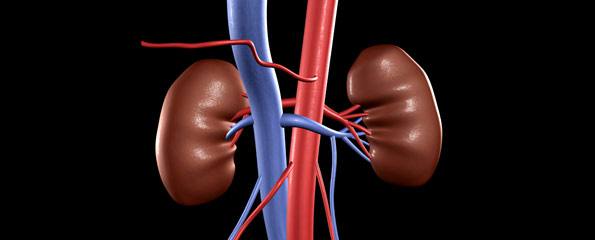
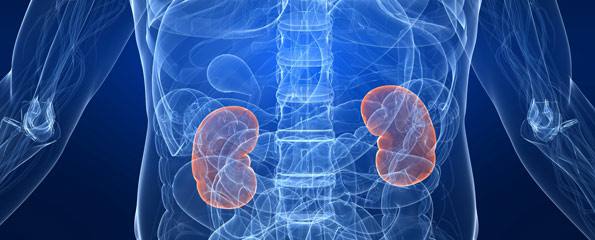







Kidney disease: Chronic renal failure
Chronic renal failure refers to irreversible renal insufficiency or kidney dysfunction. It requires haemodialysis and may be fatal.
09 Oct 2003
Kidney failure (acute renal failure)
Acute renal failure refers to rapid decline of kidney function which is potentially life threatening because urine production ceases.
09 Oct 2003
Hypopituitarism
Hypopituitarism refers to a group of disorders which interfere with synthesis and/or secretion of hormones from the pituitary gland.
29 Sep 2003
Common bile duct stone (choledocholithiasis; cholangitis; obstructive jaundice)
Choledocholithiasis or bile duct stone refers to the passage of gallstones into the bile duct. The gallstones obstruct the bile duct, causing jaundice.
26 Sep 2003
Gallstones
Gallstone disease is characterised by the formation of cholesterol or pigment stones in the gallbladder. They do not usually cause symptoms.
21 Sep 2003
Primary biliary cirrhosis
Primary biliary cirrhosis is liver shrinkage due to progressive inflammatory destruction of the bile ducts.
14 Sep 2003
Vascular dementia (multi-infarct dementia)
Vascular dementia refers to cognitive decline after multiple strokes. It is the second most common type of dementia, affecting 20% of people over 80 years.
07 Jul 2003
Alzheimer’s disease
Alzheimer's disease is the most common type of dementia. It is characteised by progressive memory loss and disturbances in other mental functions.
03 Jul 2003
Angina pectoris and unstable angina
Angina pectoris or unstable angina is a coronary artery disease of the vessels that supply blood to the heart muscle. It causes symptoms like chest…
27 May 2003