When it comes to your health, prevention really is better than cure. Lots of serious conditions – including high blood pressure, diabetes, heart disease and several cancers – can develop without any obvious symptoms. Picking them up early with proactive, regular checks can make a big difference to your treatment options and long-term outcomes. [1]
A full-body health check is one of the easiest ways to stay on the front foot. And if you have private health insurance with extras cover, it can also be a smart way to make use of benefits you’re already paying for, since lots of checks and screenings might be covered (in full or partly). It’s worth checking what your policy includes before they reset every year.
And the benefits aren’t just physical, either. Knowing where your health stands can help with any anxiety you might have, giving you peace of mind and helping you feel more in control of your wellbeing.
What is a full body health check?
A full-body health check is a comprehensive review of your overall health, where a doctor takes into account your current wellbeing, screens for potential health risks, spots any early warning signs of disease before symptoms appear and more.
While the exact tests can be dependent on the individual, a basic full-body health check for someone with no pre-existing conditions will usually cover:
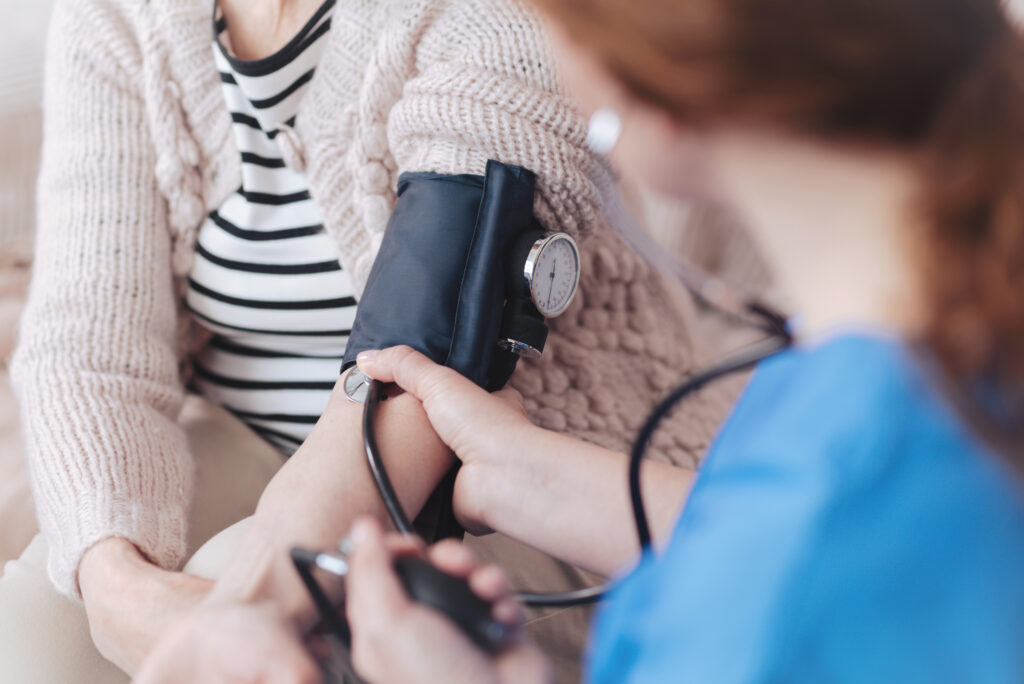
- Blood pressure: Checked from age 18 to screen for hypertension. [2]
- Blood glucose: To screen for diabetes or prediabetes. [2]
- Cholesterol and lipids: To check for any cardiovascular risks. [2]
- Body mass index (BMI) and weight: To look at your weight in line with the healthy range.
- Nutrient levels: Iron, vitamin D and vitamin B12, where clinically indicated.
- General review: Including your lifestyle, family history, mental health and any other concerns.

For a healthy adult, having your blood pressure and weight and reviewed just about once a year is a sensible baseline, with blood tests as recommended by your GP. [1]
Beyond these basics, there are some other checks worth prioritising based on your age and gender – and certain groups should be very proactive. People who work outdoors or spend a lot of time in the sun, for example, should have regular skin-cancer checks, as early detection can greatly improve outcomes. [3] Your GP will be able to advise you about what’s right for your situation.
Health checks by age
The earlier you create healthy habits and screening routines, the better. If you’re in your 20s, most of what you need is covered by the annual basics above – blood pressure, a general review and screening as advised by your GP. Cervical screening also starts at age 25 for women and people with a cervix. [4]
As you get older, your risk of conditions naturally increases, which is why a few targeted checks will become more relevant with each decade. If you’re ever unsure what applies to you, always speak to your doctor.
Book an appointment with a GP through the Healthengine app.

Health checks for 30-year-olds
In your 30s, continue with your annual basics and add:
- Cervical screening test: Every five years for women and people with a cervix aged 25 to 74. [4]
- Cardiovascular risk: Blood pressure monitoring, with cholesterol checks if you have risk factors. [2]
- Skin checks: Especially if you have lots of sun exposure or risk factors. [3]
- Dental and eye check-ups: At regular intervals.
- Mental health: Speak to your GP if you’re feeling anxious or low. [5]
Health checks for 40-year-olds
Your 40s are when several new screenings come into play. Alongside the basics:
- Cholesterol and lipids: Every five years from age 45, or every two years if you’re at higher cardiovascular risk. [2]
- Diabetes screening: Looking at your risk factors, with blood glucose testing as advised. [2]
- Breast screening: Free mammograms (every two years) are available through BreastScreen Australia from age 40. [6]
- Bowel-cancer screening: You can request a free at-home test kit from age 45. [7]
- Cervical screening: Continue every five years. [4]
- Prostate health: Men can talk to their GP about prostate screening, especially those with a family history. [2]

Health checks for 50-year-olds
In your 50s, screening is even more important. A few recommended checks include:
- Bowel-cancer screening: A free kit is automatically mailed every two years from age 50 to 74. [7]
- Breast screening: BreastScreen Australia actively invites women for a free mammogram every two years. [6]
- Cardiovascular-risk assessment: Including blood pressure and cholesterol checks. [8]
- Type 2 diabetes screening: Every three years, or more often if you’re at higher risk. [8]
- Cervical screening: Continue every five years. [4]
- Bone density and eye health: Discuss with your GP based on your risk factors. [8]
Health checks at 60 and over
From age 60 onwards, staying on top of regular screening is a must:
- Bowel-cancer screening: Continue the free at-home test every two years. [7]
- Breast screening: Continue every two years. [9]
- Cardiovascular and diabetes monitoring: As recommended by your GP. [9]
- Kidney function: Checked every one to two years if you’re at higher risk. [9]
- Vaccinations: Ask your GP about recommended vaccines and boosters. [9]
- Hearing, vision and bone health: Checked regularly, as these tend to decline with age. [9]
How to get a full body health check
Getting a full-body health check usually starts with asking your GP. They will do all the basic assessments – blood pressure, general health review, ordering blood tests, etc. – and refer you to specialists or screening services for anything more specific, like a skin check or mammogram.
A few things to keep in mind when booking:
Set aside time for a longer appointment: A standard consultation usually isn’t enough time to cover everything thoroughly. Ask for a longer appointment so your GP can give your overall health the attention it needs.
Come prepared: Bring a list of any symptoms, medications, family history and questions you’d like to ask.
Be open: The more your GP knows about your lifestyle and concerns, the better their advice will be.
Healthengine makes it easy to pull all of this together. You can find and book appointments with GPs and specialists around the country from one account – comparing their availability, searching by location, managing your bookings and more. That means less time chasing appointments and worrying about your health.
Get the Healthengine app and book your full-body health check today.
References:
1. https://www.healthdirect.gov.au/health-screening-tests
2. https://www.healthdirect.gov.au/manage-your-health-in-your-40s
3. https://www.healthdirect.gov.au/health-screening-tests
4. https://www.health.gov.au/our-work/national-cervical-screening-program
5. https://www.healthdirect.gov.au/life-stages
6. https://www.health.gov.au/our-work/breastscreen-australia-program
7. https://www.health.gov.au/our-work/national-bowel-cancer-screening-program
8. https://www.healthdirect.gov.au/manage-your-health-in-your-50s
9. https://www.healthdirect.gov.au/manage-your-health-in-your-60s
All content and media on the HealthEngine Blog is created and published online for informational purposes only. It is not intended to be a substitute for professional medical advice and should not be relied on as health or personal advice. Always seek the guidance of your doctor or other qualified health professional with any questions you may have regarding your health or a medical condition. Never disregard the advice of a medical professional, or delay in seeking it because of something you have read on this Website. If you think you may have a medical emergency, call your doctor, go to the nearest hospital emergency department, or call the emergency services immediately.
Related Articles



Need a health appointment?
Find and book a doctor, dentist, physio and more on Healthengine
Find a practitioner