You searched for
We found 9 articles





Schizophrenia
Schizophrenia is a mental health disorder. Symptoms include hallucinations, delusions, disorganised behaviour and not showing speech or emotions.
08 Jul 2003
Transfusion Reactions
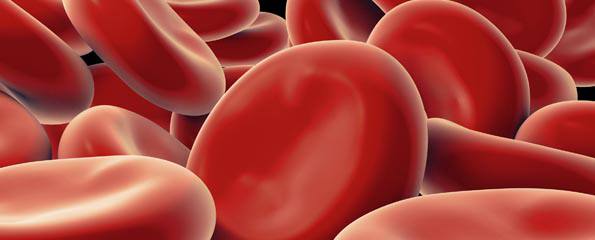
The most common blood transfusion reactions include fever and allergic reactions. Blood is screened for compatability and infections before use.
02 Jul 2003
Haemophilia A
Haemophilia A is a genetic blood disorder in which abnormalities in the coagulation process impairs blood clotting, leading to excessive bleeding.
01 Jul 2003
Ventricular arrhythmias (VT; ventricular fibrillation; VF)
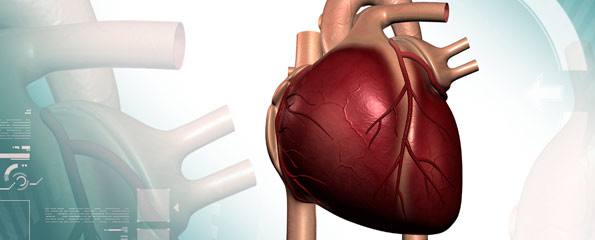
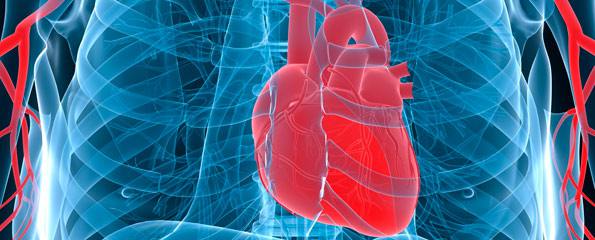
Ventricular arrhythmia refers to a severely abnormal heart rhythm which is life-threatening. It may be caused by a heart attack.
29 May 2003
Atrial septal defect (ASD; ostium secundum defect)
Atrial septal defect (ASD) or a hole in the heart is a congenital heart defect in which an opening between the two atria (heart chambers)…
28 May 2003
Ventricular septal defect (VSD)
Ventricular septal defect is a heart disease characterised by a defect of the septum which separates the two heart chambers (ventricles).
28 May 2003
Patent ductus arteriosus (PDA)
Patent ductus arteriosus is a congenital heart defect in which a temporary blood vessel near the heart, the ductus artery, fails to close after birth.
28 May 2003
Coarctation of the aorta
Coarctation of the aorta is a congenital heart defect affecting the main artery from the heart. It affects blood pressure and leads to heart failure.
28 May 2003
Tetralogy of Fallot
Tetralogy of Fallot is the most common congenital heart defect. It involves abnormalities of the heart walls, septum and blood vessels including the aorta.
28 May 2003