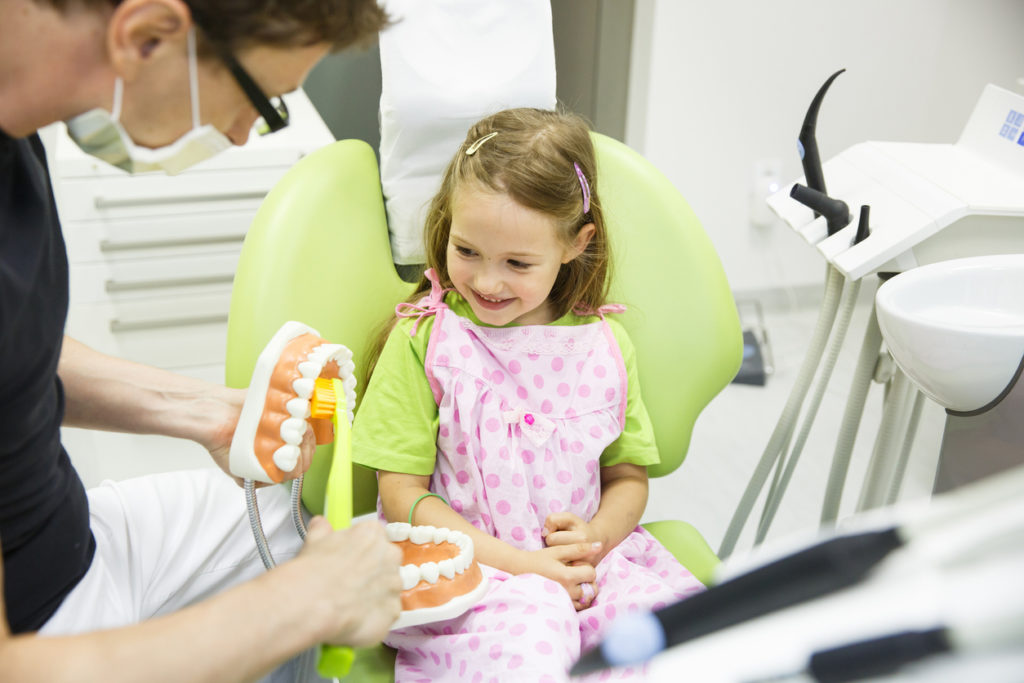


Parents and guardians in Australia could be eligible for government-funded financial support to cover the cost of your child’s dental care – and you might not even know it. It’s the Child Dental Benefits Schedule (CDBS), sometimes also called the Child Dental Benefits Scheme, and it’s helping to bring down the cost of basic dental services for everyday families.
Here’s everything you need to know about the CDBS in 2026.
What is the Child Dental Benefits Schedule in Australia?
The Child Dental Benefits Schedule is a federal government program administered through Medicare that provides financial assistance to help cover the cost of basic dental services for eligible children aged between 0 and 17 years. [1]
Here’s a quick snapshot of what the CDBS covers in 2026:
- Benefit cap: Up to $1,158 per eligible child over two consecutive calendar years. The cap is indexed every year on 1 January – the 2026 rate applies to children whose two-year period starts in 2026. [2]
- Check-ups and examinations: Regular dental assessments to check on your child’s oral health.
- X-rays: Imaging to catch issues that aren’t visible during a standard exam.
- Cleaning: Professional removal of plaque and tartar build-up.
- Fissure sealing: A preventative treatment that protects the grooves of your child’s back teeth from decay.
- Fillings: Treatment for cavities and minor tooth damage.
- Root canals: Treatment for infected or damaged tooth pulp.
- Extractions: Removal of teeth that are severely decayed/damaged.
Some of the services not covered by the CDBS include orthodontic work (e.g. braces), cosmetic dental procedures and any dental services performed in a hospital. [2]
It’s worth noting that not all dental practices bulk bill under the CDBS – which means not every dentist will work within the scheme with no out-of-pocket costs. If finding a bulk-billing provider is important to you, the Healthengine app includes search filters that will help you find dentists participating in government schemes, including the CDBS.
Get the Healthengine app on Android or Apple
Child Dental Benefits Schedule eligibility
Your child doesn’t need to be registered or enrolled – if they’re eligible, Medicare will automatically send you a notification by post or to your myGov account. [3]
However, your child must meet all three of the following in a given calendar year to qualify:
- They are eligible for Medicare on the day of the dental service. [3]
- They are aged between 0 and 17 years for at least one day of that calendar year. [3]
- You, your child or an approved care organisation receives an eligible Australian Government payment at least once during that calendar year. Some of the more common qualifying payments include Family Tax Benefit Part A, Parenting Payment, Youth Allowance and Carer Payment, among a number of others. [4]
All three conditions must be met every calendar year for your child to get CDBS benefits. If you’re unsure whether a payment you receive qualifies, you can check the full list of eligible payments.
It’s also important to know that eligibility is reassessed annually. So even if your child was eligible last year, they’ll need to meet the criteria again this calendar year to continue getting benefits – which is important if your government payments have changed.
How to claim for the Child Dental Benefits Schedule
Finding a CDBS provider
When you’re ready to book, the first step is to find a dentist who offers services under the CDBS. Not all practices take part, so it’s a good idea to double-check this when you make an appointment. You can ask the dental practice yourself, or use the Healthengine app to filter your search for providers that are part of government schemes.
When booking, let the dental practice know that you’d like to use the Child Dental Benefits Schedule. If your child has used the CDBS before, it’s a good idea to check your remaining balance beforehand so you know exactly where you stand.
Before your child’s appointment, you should receive a consent form outlining the services to be provided and their costs. Make sure you review and sign this so there are no surprises. [5]
After the appointment
- If the dentist bulk bills: You won’t need to pay anything on the day. The practice will claim the benefit from Medicare on your behalf, and the cost is covered up to the CDBS cap. [6]
- If the dentist doesn’t bulk bill: You’ll pay the full amount on the day and then claim a Medicare rebate afterwards. You can lodge your claim through your Medicare online account via myGov or by completing a claim form and posting it or taking it to a Medicare service centre. [6] Your rebate will be based on the CDBS benefit amount for each service – and any difference between that and the dentist’s fee will be your out-of-pocket cost.
Child Dental Benefits Schedule FAQs
How do I check my child’s dental benefit balance?
You can check the remaining CDBS balance by logging into your Medicare online account through myGov and heading to your Child Dental Benefits Schedule statement. Alternatively, you can call the Medicare general enquiries line on 132 011. It’s a good idea to check your balance before every dental visit so you know how much cover you have left.
When does the Child Dental Benefits Schedule reset?
The CDBS works on a two-consecutive-calendar-year cycle. The two-year period starts on 1 January of the year your child first receives an eligible dental service. Once that two-year period ends, a new cycle can begin – so long as your child still meets all three eligibility criteria. Any unused balance from a completed two-year period doesn’t carry over. [2]
How much does the Child Dental Benefits Schedule cover in 2026?
For two-year periods starting in 2026, the benefit cap is $1,158 per eligible child. You can use the full amount in the first year (if needed) or spread it across both calendar years. If any balance is left at the end of the second year, it can’t be carried forward – but a new two-year period will begin if your child is still eligible. [2]
Search for dentists near you and book an appointment today.
References:
- 1. https://www.servicesaustralia.gov.au/child-dental-benefits-schedule
- 2. https://www.servicesaustralia.gov.au/whats-covered-child-dental-benefits-schedule?context=22426
- 3. https://www.servicesaustralia.gov.au/who-can-get-child-dental-benefits-schedule?context=22426
- 4. https://www.servicesaustralia.gov.au/eligible-payments-for-child-dental-benefits-schedule?context=22426
- 5. https://www.servicesaustralia.gov.au/how-to-use-child-dental-benefits-schedule?context=22426
- 6. https://www.servicesaustralia.gov.au/how-to-claim-child-dental-benefits-schedule?context=22426
All content and media on the HealthEngine Blog is created and published online for informational purposes only. It is not intended to be a substitute for professional medical advice and should not be relied on as health or personal advice. Always seek the guidance of your doctor or other qualified health professional with any questions you may have regarding your health or a medical condition. Never disregard the advice of a medical professional, or delay in seeking it because of something you have read on this Website. If you think you may have a medical emergency, call your doctor, go to the nearest hospital emergency department, or call the emergency services immediately.
Related Articles

Viral infections can sometimes have a knock-on effect.…
Childhood immunisation is a safe, free and effective…

The world of healthcare is rapidly changing, and…
Need a health appointment?
Find and book a doctor, dentist, physio and more on Healthengine
Find a practitioner